
Feeds are a way for websites to distribute content beyond just visitors using browsers. FeedBurner is a web feed management service.
Read more
Feeds are a way for websites to distribute content beyond just visitors using browsers. FeedBurner is a web feed management service.
Read more
Pentoo Linux is a Live CD and Live USB designed for penetration testing and security assessment.
Read more
ART (Another RawTherapee) is a cross-platform raw image processing program.
Read more
Snipe-IT is an asset management system written in PHP.
Read more
Edubuntu is a community effort that seeks to bring the freedom of the Linux desktop and the vast library of open source education software into the classroom.
Read more
Ansel is photo-editing software for digital artists, designed to help you achieve your own interpretation of raw digital photographs.
Read more
Deepin is a Linux distribution. It features the Deepin Desktop Environment, built on Qt and available for a variety of distributions.
Read more
Xubuntu is an elegant and easy to use operating system derived from Ubuntu. It sports Xfce, a stable and lightweight desktop environment.
Read more
radion is an internet radio TUI client, written in Bash. This is free and open source software. There’s also a Python version available.
Read more
BlackArch is a penetration testing distribution based on Arch Linux that provides a large number of security tools.
Read more
Cavasik is an audio visualizer based on cava with extended capabilities. It is a fork of Cavalier.
Read more
ParrotOS is a Linux distribution based on Debian Stable designed for security experts, developers and privacy aware people.
Read more
Cava is a bar spectrum audio visualizer for terminal (ncurses) or desktop (SDL).
Read more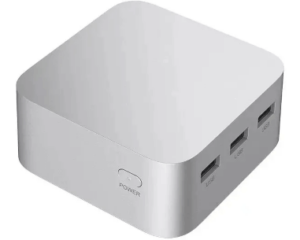
We explore installing and configuring Rhino Linux on the FIREBAT. Rhino Linux is a rolling release Ubuntu-based distribution
Read more
MakuluLinux is a rolling-release distribution based either on Ubuntu’s LTS (long-term support) release or Debian’s “Testing” branch.
Read more
April 2024 updates to the largest compilation of recommended free and open source software available for Linux.
Read more
shaq is a bare-bones command-line interface client for Shazam.
Read more
Mouse actions allows users to execute some commands from mouse events such as clicks / wheel on the side / corners of the screen, or drawing shapes.
Read more
Cavalier is an audio visualizer based on cava with a customizable interface.
Read more
Tiny Core Linux is a unique and minimalist distribution of the Linux operating system and tools. It uses BusyBox and FLTK.
Read more