

Many users consider fooyin to be the best open source music player available for Linux. It’s worth checking out the new release!
fooyin v0.10.x represents one of the most significant updates to the lightweight Linux music player, introducing long-requested playback features alongside a wide range of usability improvements and internal refinements. Across the 0.10.0 and 0.10.1 releases, the focus is clearly on enhancing the listening experience while improving stability and configurability.
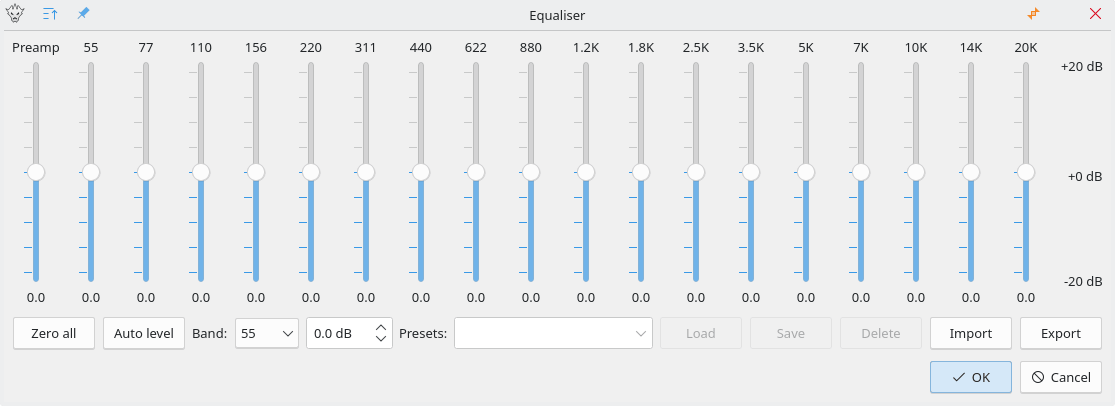
A headline change in v0.10.0 is the introduction of DSP (Digital Signal Processing) support. This brings a built-in DSP suite along with a fully integrated equaliser, allowing users to shape audio output directly within the player. This addition substantially expands fooyin’s capabilities, moving it closer to more feature-rich audio players while retaining its minimalist ethos.
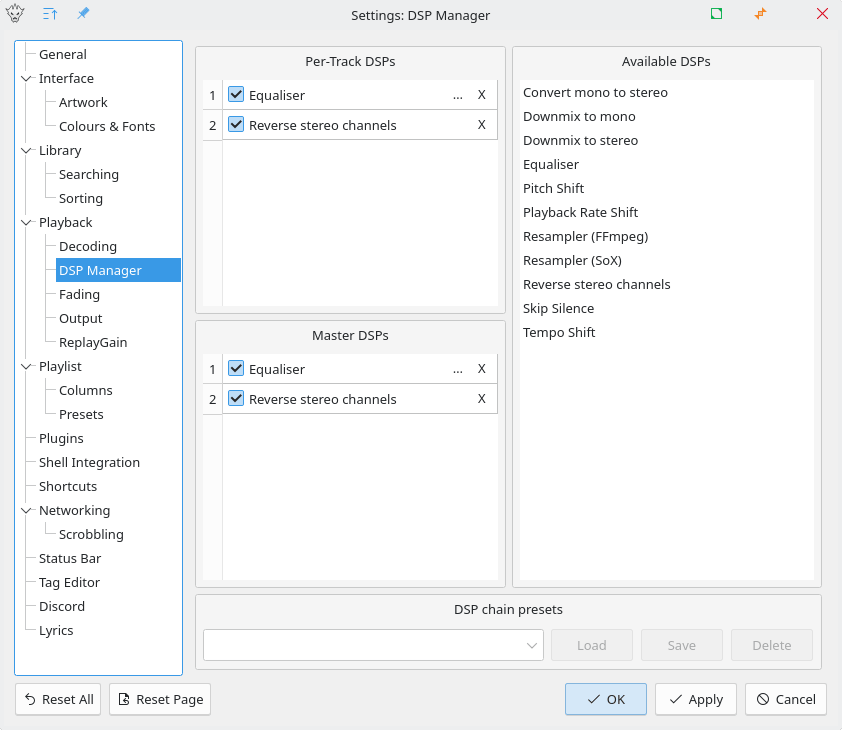
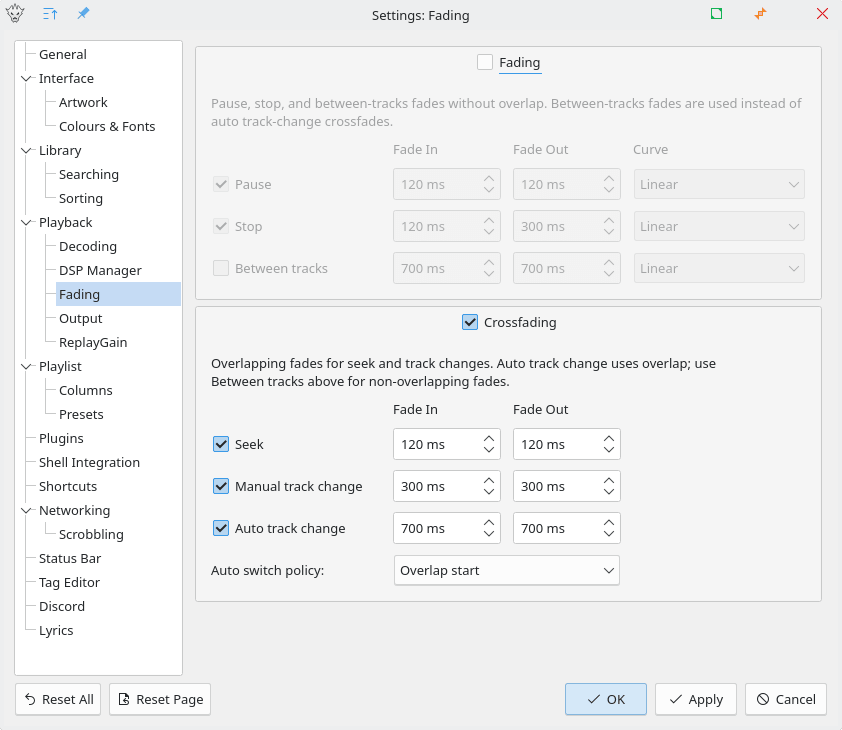
Playback transitions have also been significantly improved. The update introduces configurable crossfading between tracks, as well as adjustable fade behaviour for both track changes and seeking. These enhancements create a smoother listening experience, especially for albums or playlists where seamless transitions matter.
Another notable addition is Discord Rich Presence integration. This allows users to broadcast their currently playing track directly to Discord, a feature that aligns fooyin with modern social and streaming habits.
Beyond these major features, v0.10.x includes numerous engine-level improvements. The playback engine can now handle file changes during playback more gracefully, reducing interruptions when files are modified. Variable bitrate (VBR) handling has been improved with a configurable update interval, giving users more control over playback accuracy and performance. Additionally, playback behaviour has been refined so that using next or previous track controls will start playback even if the player is currently stopped.
Format support has also been extended, including proper handling for additional MIME types such as audio/x-flac. This ensures broader compatibility with various audio files and environments.
User interface updates in the 0.10 series aim to improve both flexibility and clarity. Users can now toggle the visibility of the main menu bar, allowing for a cleaner or more traditional layout depending on preference. Artwork handling has been refined, with the CoverWidget now consistently displaying individual track covers, improving visual feedback when browsing music libraries.
Settings management has also been enhanced. The application now displays disk cache usage for artwork and provides an option to clear it directly, giving users better insight into resource usage and easier maintenance.
Summary
Overall, fooyin v0.10.x marks a major step forward for the project. It combines substantial new functionality such as DSP and crossfading with thoughtful refinements to playback behaviour, interface flexibility, and system stability. The result is a more capable and polished music player that still maintains its lightweight design philosophy.
I’m still hopeful that internet radio support is added in the next release. Windows users are still waiting for an official release too.
Website: github.com/fooyin/fooyin
Support:
Developer: Luke Taylor
License: GNU General Public License v3.0
Fooyin is written in C++. Learn C++ with our recommended free books and free tutorials.
Related Software
| Graphical Music Players | |
|---|---|
| Tauon Music Box | Python-based music player that's an absolute gem |
| fooyin | Customizable music player similar to foobar2000 |
| Strawberry | Music player and collection organizer originally forked from Clementine |
| Rhythmbox | Integrated music management application, originally inspired by iTunes |
| Sayonara Player | Small, clear and fast music player written in C++ |
| Audacious | XMMS-like skinnable player |
| Exaile | Music player aiming to be similar to KDE's Amarok, but for GTK+ |
| DeaDBeeF | Basic and simple player with a small footprint. |
| Clementine | Modern music player and library organiser. Inspired by Amarok |
| Lollypop | Modern music player for GNOME |
| Amarok | KDE audio player offering a wealth of features, yet intuitive to use |
| Musique | Small but sophisticated graphical music player |
| Cantata | Feature-rich client for Music Player Daemon |
| Quod Libet | GTK+-based music management program |
| GogglesMM | Polished music collection manager and player |
| Aqualung | Advanced, gapless Gtk2-based audio player |
| MusicPod | Music, podcast and internet radio player |
| gmusicbrowser | Music jukebox for large collections |
| Yarock | Qt music player with browsing based on cover art |
| qoob | A foobar-like music player |
| GNOME Music | Simple music player |
| Pragha | Distinguished and resplendent open source music player |
| Deepin Music | Visually attractive and simple music player |
| Musicalypse | Music player and server built with Web technologies |
| Melody | Music player designed for elementary OS |
| Elisa | Simple music player developed by the KDE community |
| QMPlay2 | Video and audio player which can play most formats and codecs |
| Tomahawk | Qt-based music player |
| mtoc | Visually-rich music player and library browser |
| Kalorite | Lightweight audio player |
Read our verdict in the software roundup.
 Explore our comprehensive directory of recommended free and open source software. Our carefully curated collection spans every major software category. Explore our comprehensive directory of recommended free and open source software. Our carefully curated collection spans every major software category.This directory is part of our ongoing series of informative articles for Linux enthusiasts. It features hundreds of detailed reviews, along with open source alternatives to proprietary solutions from major corporations such as Google, Microsoft, Apple, Adobe, IBM, Cisco, Oracle, and Autodesk. You’ll also find interesting projects to try, hardware coverage, free programming books and tutorials, and much more. Discovered a useful open source Linux program that we haven’t covered yet? Let us know by completing this form. |
I hope Windows support comes soon