

Akira Linux is a rolling-release desktop Linux distribution built on Vostok, a Void-based system.
The distribution is aimed at users who favour a keyboard-driven, console-oriented environment rather than a conventional desktop. Its main edition centres on the Niri scrollable-tiling Wayland compositor, with the system preconfigured to provide a cohesive environment without requiring users to assemble their own Void-based setup.
Akira takes a systemd-free approach and supplements the Vostok foundation with its own package repository, configuration and desktop customisation.
This is free and open source software.
Key Features
- Uses Niri, a scrollable-tiling Wayland compositor where windows are arranged in an effectively infinite horizontal strip.
- Includes Noctalia as part of the configured graphical environment.
- Uses runit for init and service supervision.
- Native software is managed with the XBPS binary package manager.
- Provides its own repository containing additional packages and project updates.
- Offers graphical installation through Calamares with guided partitioning.
- Offers a separate Nvidia edition with the proprietary graphics driver pre-installed and configured for Wayland.
- Does not require subscriptions and the project states that it collects no telemetry.
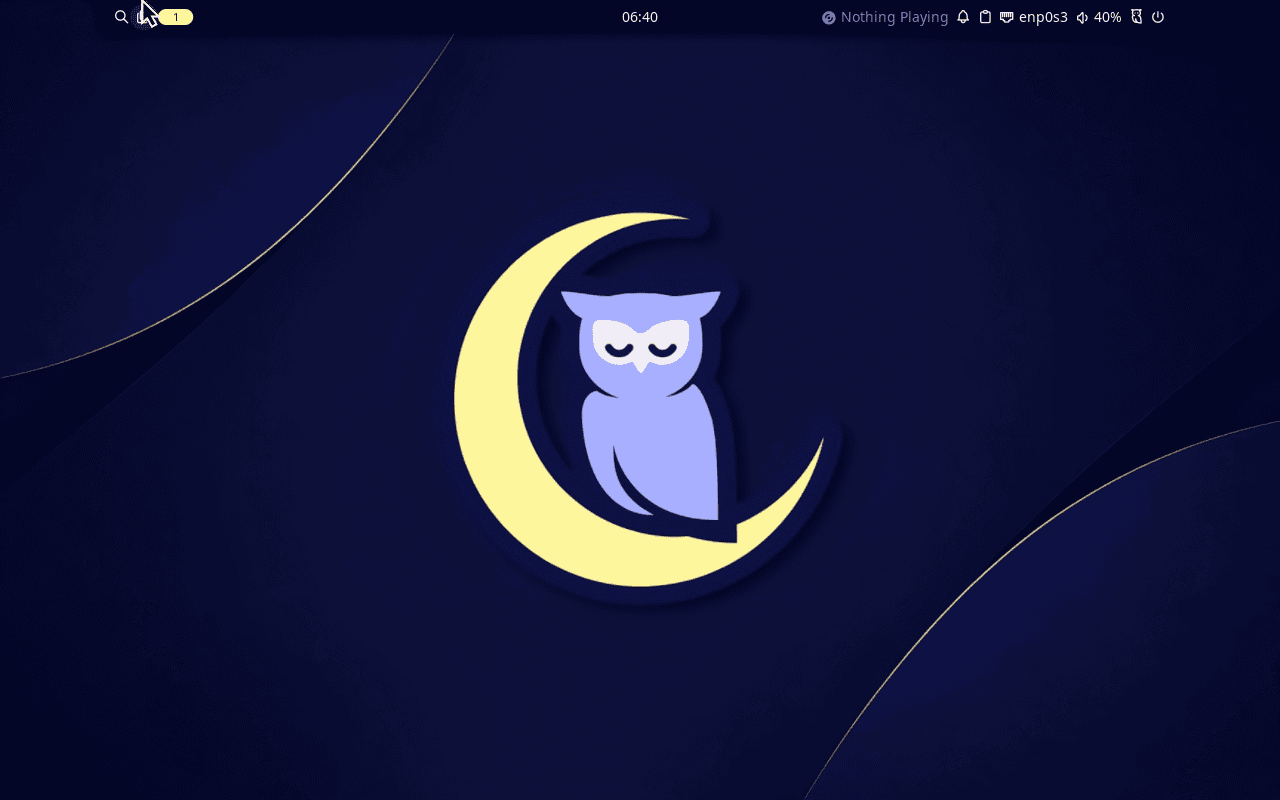
| Working state: | Active |
| Desktop: | Nir |
| Init Software: | runit |
| Package Management: | XBPS |
| Release Model: | Rolling |
| Platforms: | x86_64 |
| Home Page: | akiralinux.org |
| Developer: | Vostok Linux |
| This article is part of our Big List of Active Linux Distributions and Open Source Operating Systems. |
What's a Linux distribution ("distro")? |
| A distro provides the user with a desktop environment, preloaded applications, and ways to update and maintain the system. Each distro makes different choices, deciding which open source projects to install and provides custom written programs. They can have different philosophies. Some distros are intended for desktop computers, some for servers without a graphical interface, and others for special uses. Because Linux is an open source operating system, combinations of software vary between Linux distros. |
Please read our Comment Policy before commenting.