

NoID Privacy Workstation is a hardened Linux distribution based on Fedora Workstation.
It is designed for developers, administrators, creators, and users who want a daily-driver desktop with stronger privacy and security defaults.
The system layers hardening across the kernel, network stack, identity, firmware, storage, integrity checking, browser configuration, and desktop services. It keeps the Fedora Workstation experience intact while adding features such as LAN isolation, a provider-neutral VPN killswitch, SELinux enforcing mode, auditd, AIDE, USBGuard, LUKS2 encryption, Btrfs snapshots with Snapper rollback, and hardened Firefox defaults.
NoID Privacy Workstation also targets AI-assisted workflows. It ships with a hardened VSCodium setup, Claude Code integration, privacy-focused defaults, and documentation for fully local AI setups. A read-only NoID Privacy for Linux audit tool is included and can also be run as a standalone Bash script on other Linux distributions.
Key Features
- Hardened Fedora Workstation derivative for privacy and security-conscious users
- LAN isolation to reduce exposure on hostile or untrusted networks
- Provider-neutral VPN killswitch for WireGuard and OpenVPN-based services
- SELinux enforcing mode, auditd rules, AIDE integrity monitoring, and USBGuard
- LUKS2 full-disk encryption with Btrfs and Snapper rollback support
- Hardened Firefox configuration with uBlock Origin and privacy-focused defaults
- Zero telemetry design with disabled phone-home and background reporting channels
- AI-agent-ready workspace with hardened VSCodium and opt-in Claude Code integration
- Includes a read-only Linux privacy and hardening audit tool written in Bash
- Designed for x86_64 systems with UEFI, Secure Boot support, and TPM 2.0
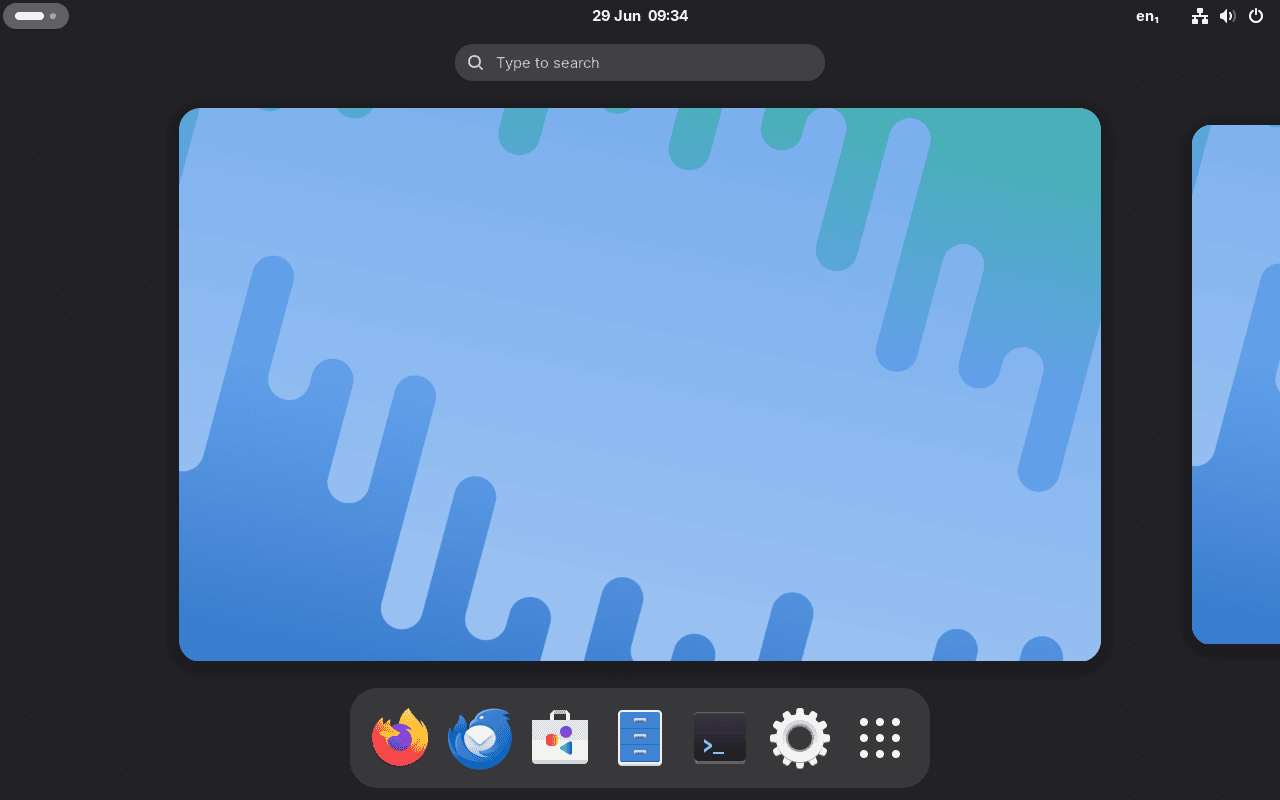
| Working state: | Active |
| Desktop: | GNOME |
| Init Software: | systemd |
| Package Management: | RPM |
| Release Model: | Fixed |
| Platforms: | x86_64 |
| Home Page: | noid-privacy.com/linux.html |
| Developer: | NoID Privacy |
| This article is part of our Big List of Active Linux Distributions and Open Source Operating Systems. |
What's a Linux distribution ("distro")? |
| A distro provides the user with a desktop environment, preloaded applications, and ways to update and maintain the system. Each distro makes different choices, deciding which open source projects to install and provides custom written programs. They can have different philosophies. Some distros are intended for desktop computers, some for servers without a graphical interface, and others for special uses. Because Linux is an open source operating system, combinations of software vary between Linux distros. |
Please read our Comment Policy before commenting.