
One of the strengths of Linux is the huge range of software. That is, after all, one of the reasons why users are attracted to Linux in the first place. Having the opportunity to select from a plethora of software and select the ones that meet an individual’s needs still makes good sense. Having hundreds of open source text editors, file managers, integrated development environments, backup tools, databases, web browsers, FTP clients increases the likelihood of applications existing that really do what a user wants. Further, even where a developer only reinvents the wheel by creating a very simple application, it is still a valuable learning experience, and from these little acorns, mighty oaks may grow.
Irrespective of the operating system used, the text editor is one of those quintessential applications for many users. A text editor is software used for editing plain text files. Text editors are used to write programming code, change configuration files, take notes, and more. For this feature, we wanted to select alternative text editors which are definitely worth trying but may have been missed given that they receive less coverage in Linux publications, and are not included or installed by default in many Linux distributions.
The text editors featured below come highly recommended. All open source goodness.
| Lesser Known Text Editors | |
|---|---|
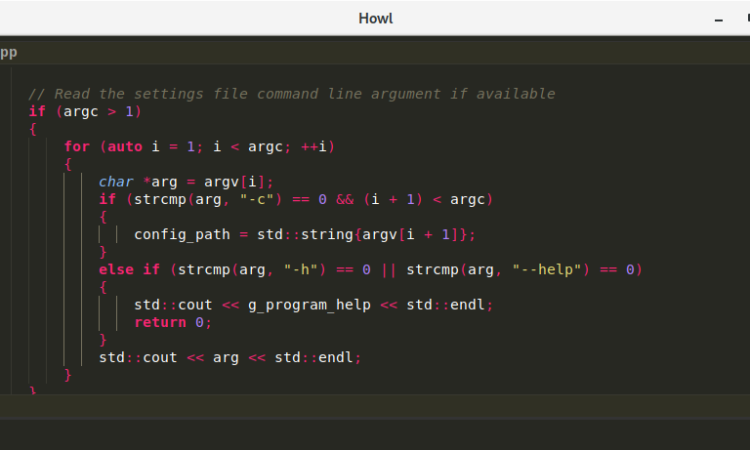
| Howl | Fast and lightweight editor with a keyboard-centric minimalistic user interface |
| medit | Full-featured text editor |
| micro | Modern and intuitive terminal-based text editor |
| textosaurus | Simple cross-platform text editor based on Qt and Scintilla |
| Kakoune | Implements Vi’s "keystrokes as a text editing language" model |
| Neovim | Continuation and extension of Vim |
| amp | Complete text editor for your terminal |
| vis | vi-like editor based on Plan 9's structural regular expressions |
Eagle-eyed readers will notice a few of the text editors featured above are extensions of the Vim text editor. If you want to learn about Vim, read these great books, all released under open source licenses.
 LinuxLinks helps you discover the best free and open source software for Linux. Explore our extensive collection of recommended applications, including alternatives to popular proprietary software. We also publish software reviews, Linux tutorials, hardware reviews, free programming books and articles covering the wider open source community. Browse our Linux resources to discover more. Know a useful free and open source Linux application we haven't covered? Suggest a program for inclusion. Has your software been featured on LinuxLinks? Display one of our Featured on LinuxLinks badges on your website or GitHub README. |
Please read our Comment Policy before commenting.